Menu

The Landers Theatre

Home About The Landers Theatre

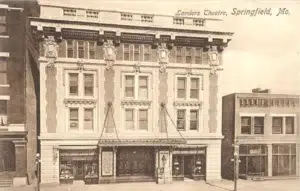
Built in 1909, The Landers Theatre has stood on East Walnut Street through more than a century of change in Springfield.
Its stage has welcomed touring theatre, vaudeville, motion pictures, radio, nationally televised country music, civic gatherings, and generations of Springfield performers. Fire has threatened it. Entertainment has transformed around it. Audiences have changed, the building has changed, and generations of caretakers have worked to preserve what remains.

Through it all, The Landers has continued to do what it was built to do: bring people together.

Today, the historic theatre is owned and operated by Springfield Little Theatre and remains an active home for live performance in the heart of downtown Springfield.

311 East Walnut Street, Springfield, Missouri 65806

More Than a Century in Motion

From opening night in 1909 to the theatre audiences know today, The Landers has continually adapted, survived, and been renewed. Explore some of the moments that shaped its history.

Built for Springfield

The story of The Landers begins with three businessmen, a rapidly growing Springfield, and a fire.

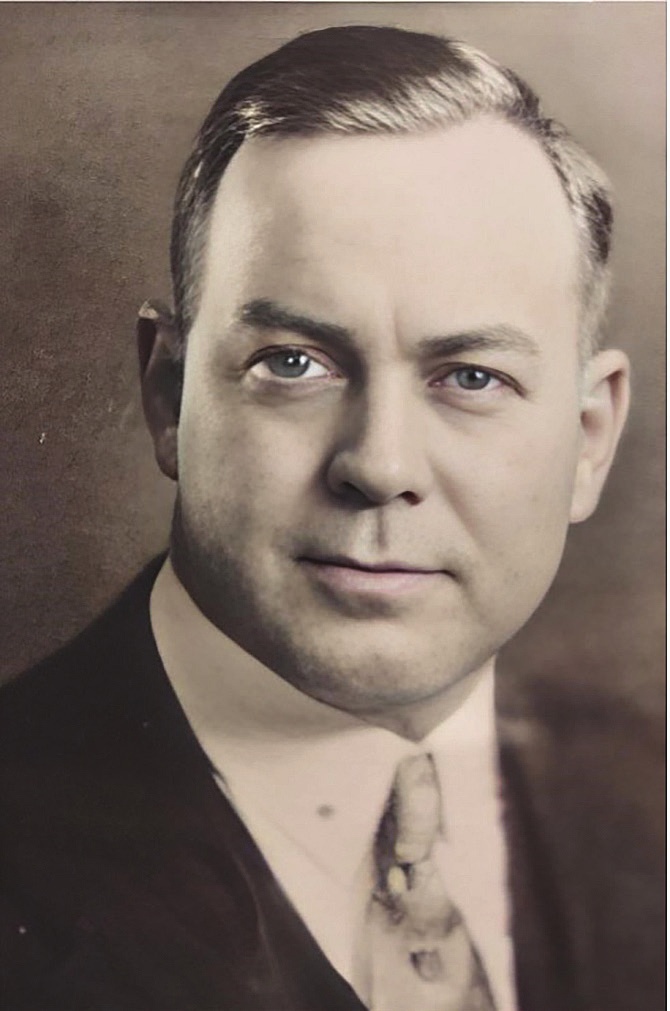
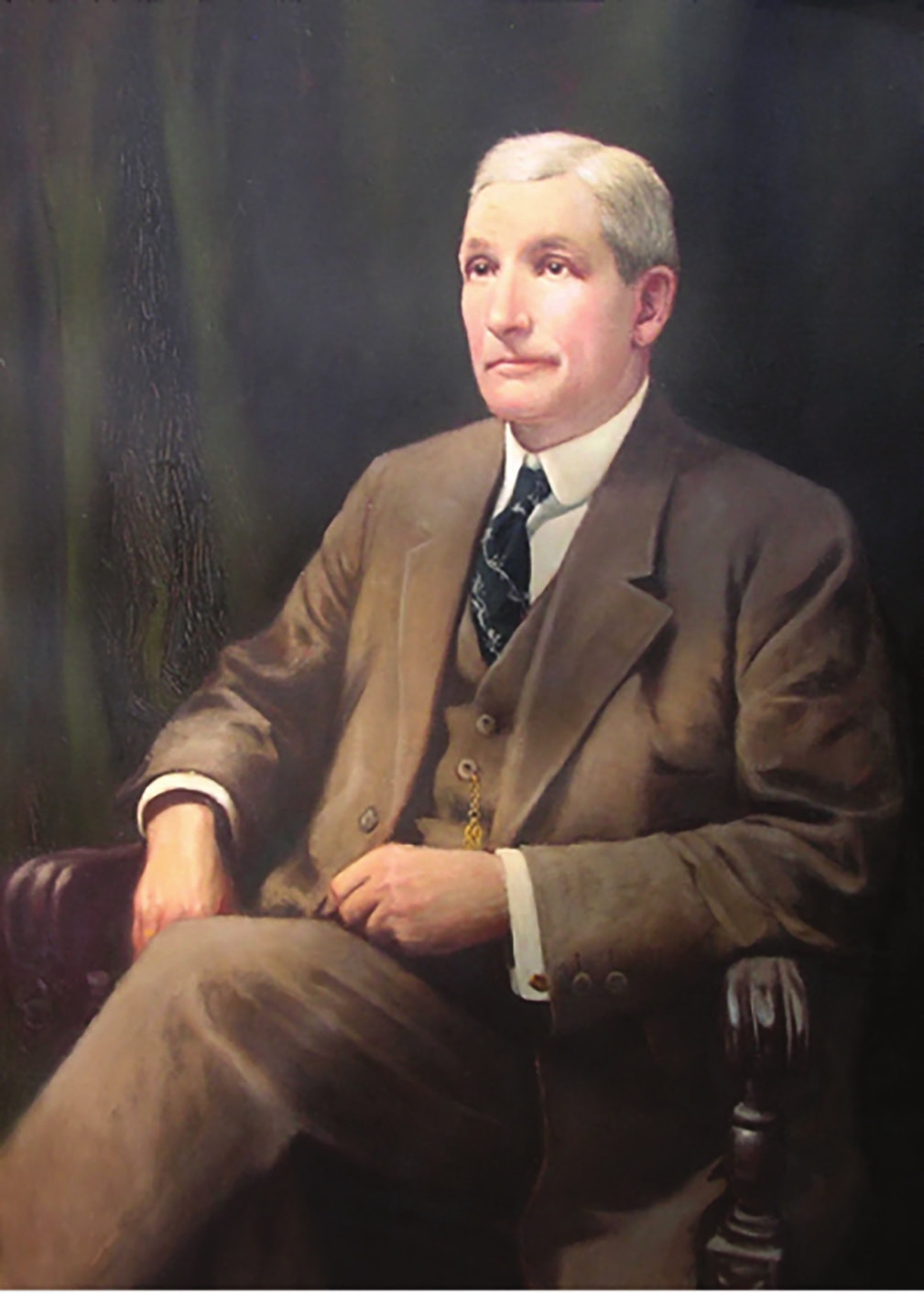
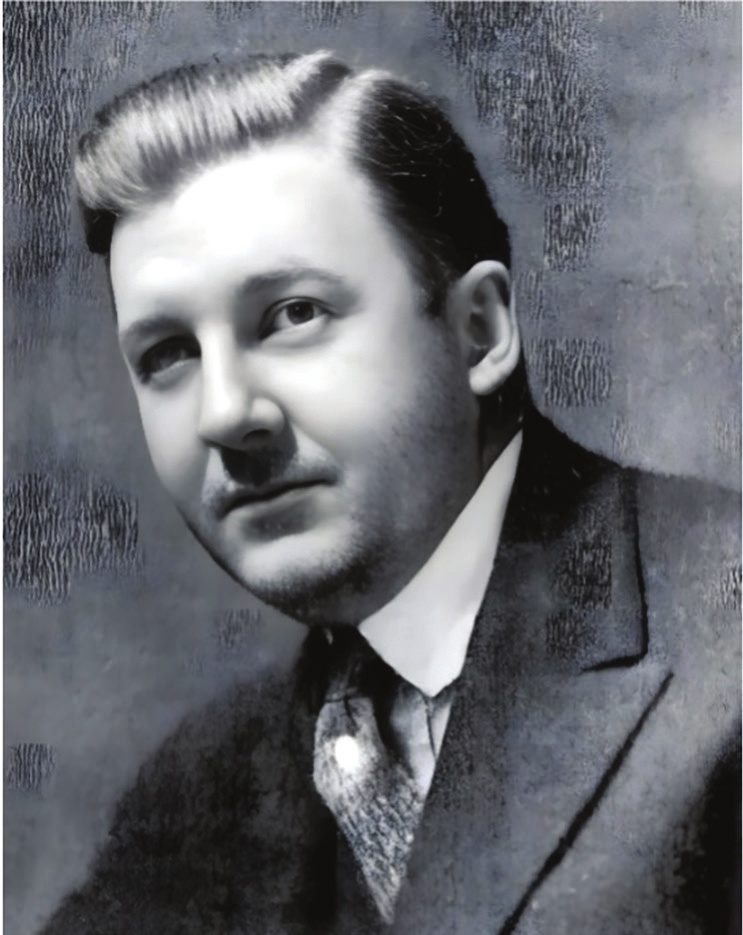
John Landers had made his fortune in lumber and real estate. His son, Douglas John “D.J.” Landers, established himself in Springfield through lumber, banking, real estate, and other ventures. Robert W. Stewart—known throughout the Midwest during his career in the music business as “The Music King”—became their neighbor, business associate, and eventual partner. Together, the three men purchased the property at 311 East Walnut Street in December 1906.

At first, there was no theatre.

The Baldwin Theatre — January 6, 1909

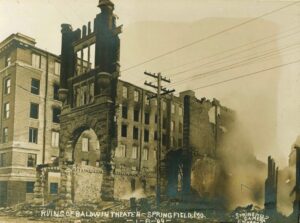
That changed in January 1909 when Springfield’s Baldwin Theatre burned to the ground. Its manager, George F. Olendorf, wasted little time. Within a day of the fire, he committed to leasing a new theatre that John Landers would build on Walnut Street.

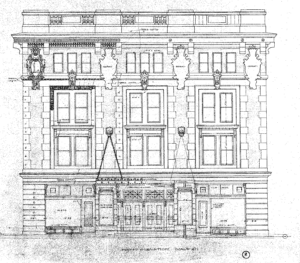
Olendorf recommended two theatre designers he already knew: brothers Carl and Robert Boller of Kansas City. Though neither had begun his career with formal architectural training, the Bollers became among the most prolific theatre designers of their era, eventually designing or remodeling close to 300 theatres. The Landers was one of their early major commissions.

Plans were completed in February 1909. Construction moved quickly, and the original estimated cost of $65,000 eventually exceeded $100,000 as the project grew in scale and ambition. John Landers added a fourth floor and additional property behind the theatre so the stage, balconies, dressing rooms, offices, and other spaces could be enlarged.

The new theatre would bear his name.

Architecture and Design

The Landers designers combined classical, Renaissance, Baroque, and French influences into a theatre that offered Springfield audiences the sense of entering a much larger metropolitan playhouse.
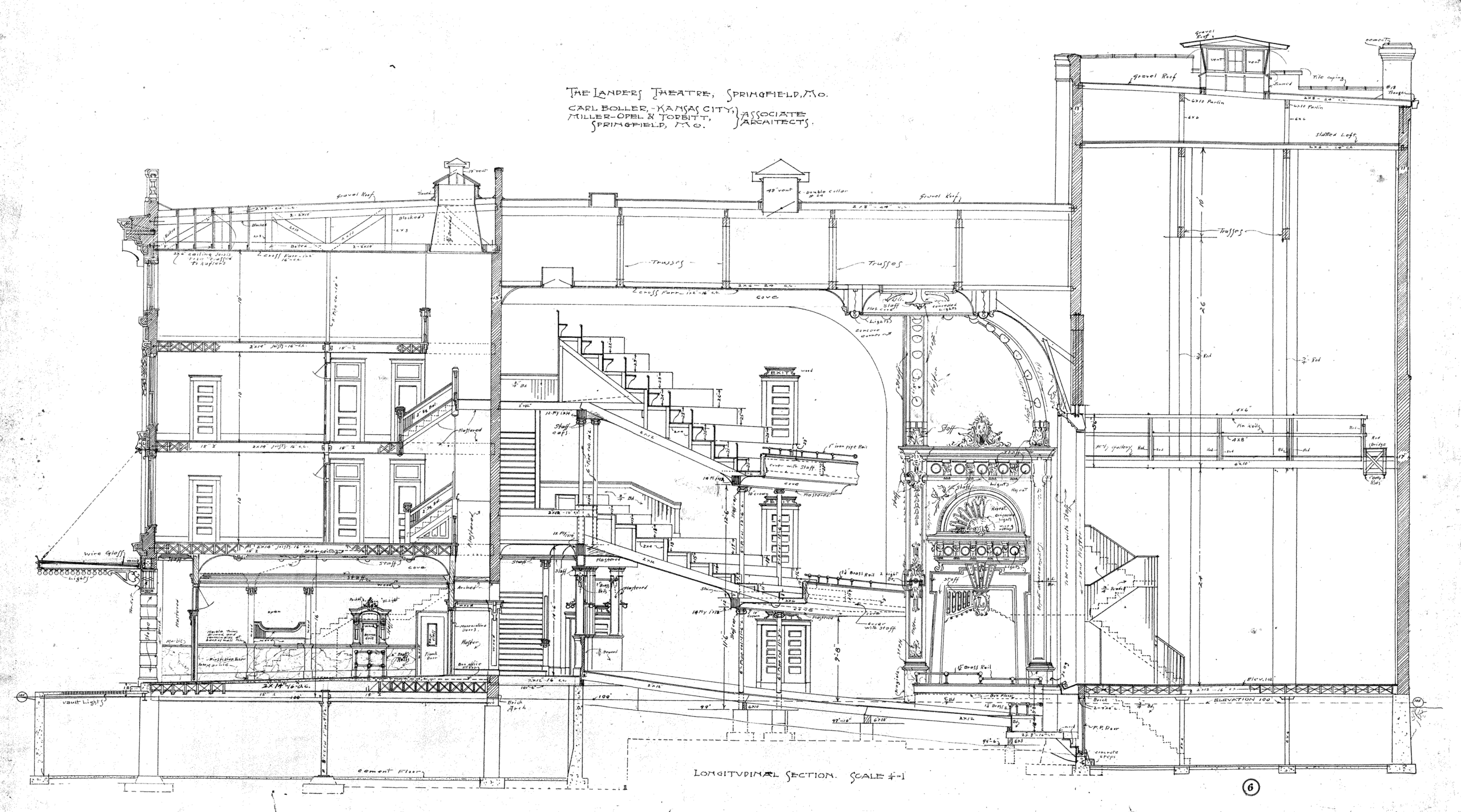

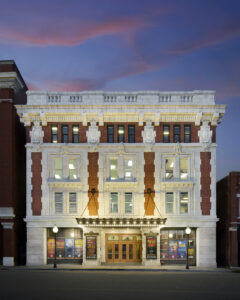
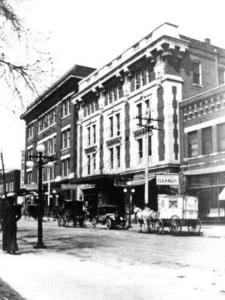
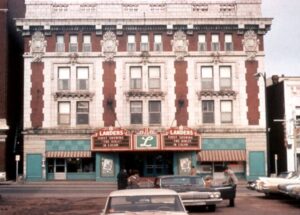
The exterior is constructed of red brick with Missouri limestone and ornamental terra cotta. Cartouches, masks, quoins, garlands, cornices, and a balustraded parapet give the Walnut Street façade much of its distinctive character. The National Register documentation identifies the influence of Baroque French Classical architecture in the design.

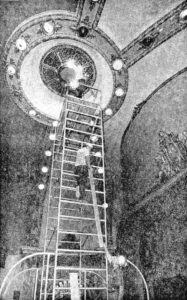
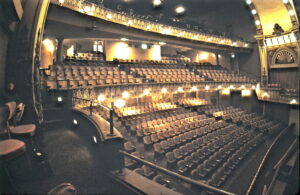
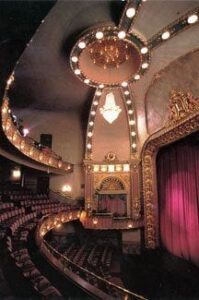
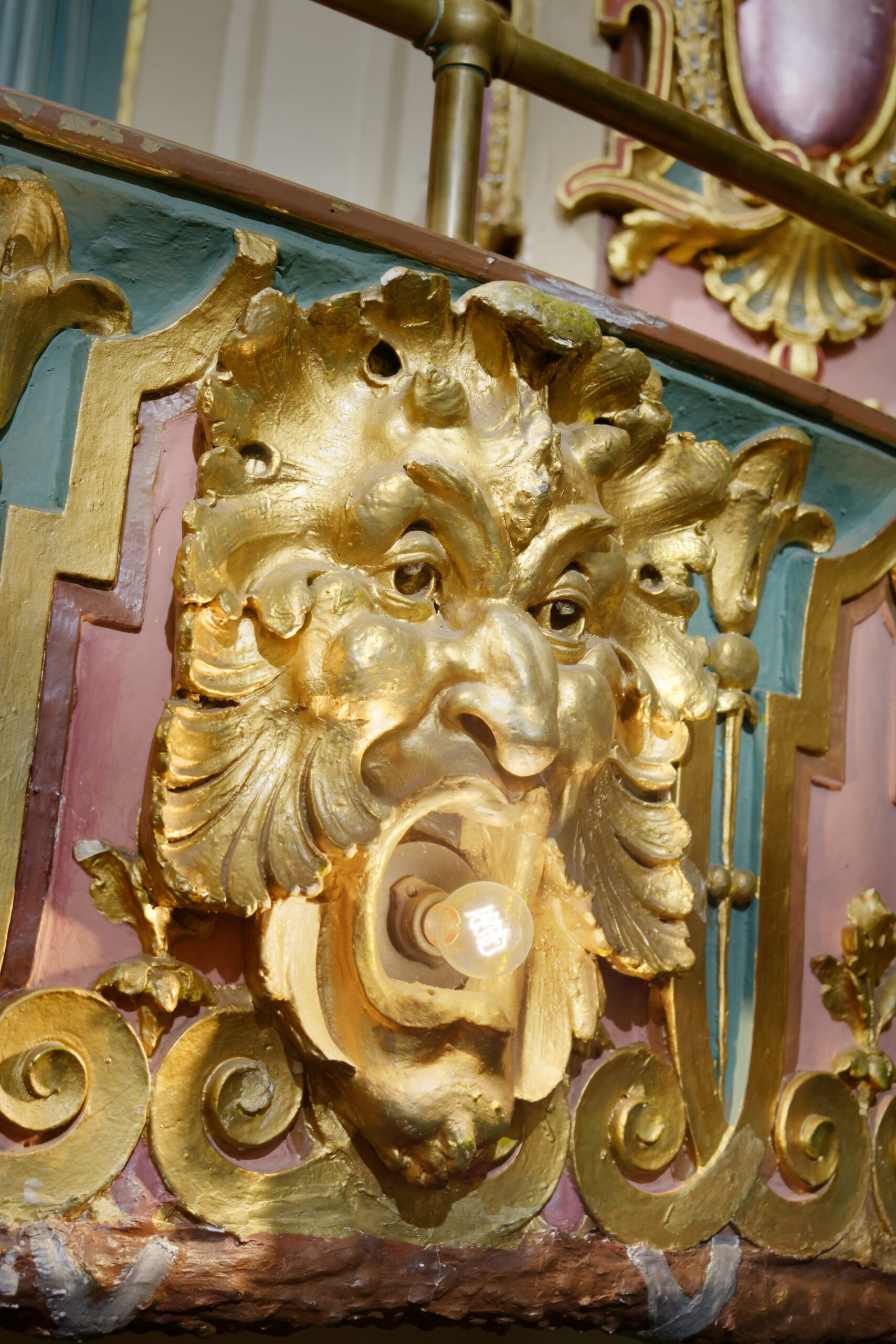
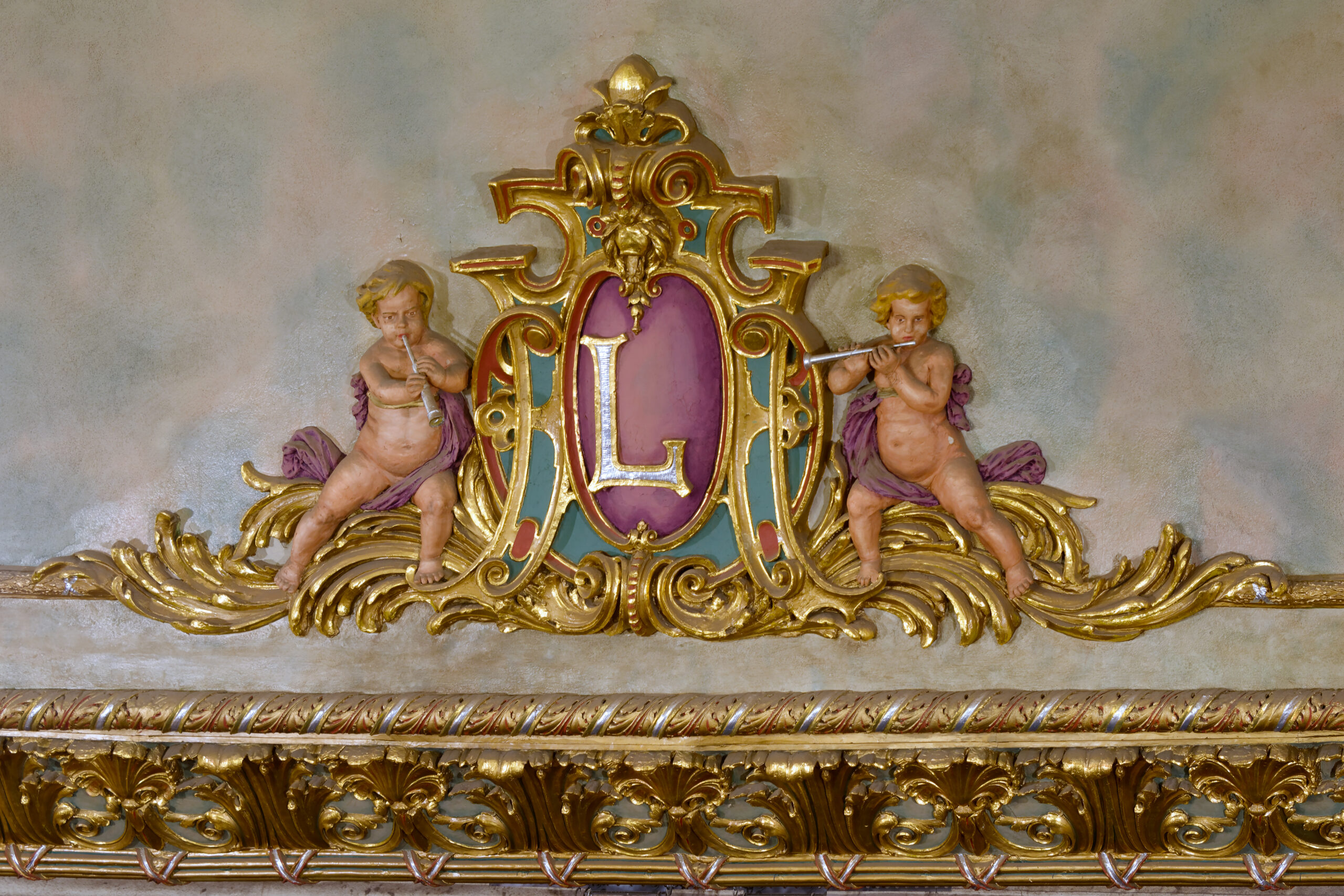
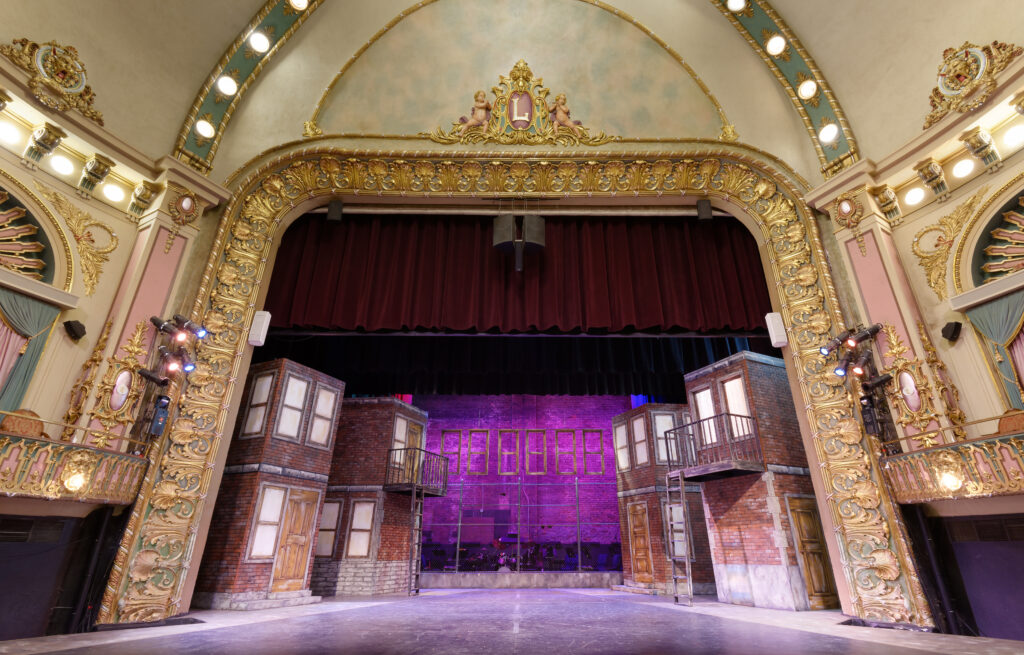
Inside, the Bollers gave even greater attention to theatrical ornament. Gilded plasterwork frames the stage, while the domed ceiling, proscenium arch, balconies, box seats, decorative faces, and sculptural details create the richness and visual drama associated with early twentieth-century theatres.

“We designed with the idea of giving the public all the refinements of the larger theaters.”
— Robert Boller

Opening Night — September 18, 1909

The opening attraction was THE GOLDEN GIRL, a touring musical comedy that had recently completed a Chicago run. When tickets went on sale on September 14, crowds had been waiting since daybreak. The orchestra and balcony sold out within two hours. The gallery sold out later that same day.

On Saturday, September 18, Springfield arrived to see its newest theatre for the first time.

The following is an excerpt from an article that appeared in The Springfield, Missouri Republican on September 19, 1909, illustrating the atmosphere of opening night:

“Under the tempered glow and radiance of two thousand electric lights which shed their beams, rivaling the brilliance of a mid-day sun in ocean mist, or the witching haze of a dreamy Indian Ozark summer, the devotees of fashion and pleasure and of material progress, met and mingled last night, at the opening of The Landers Theatre, a commodious and beautiful temple of amusement, the perfect appointments of which brought a flush of admiration and of pride to the cheek and a gleam of pleasure to the eye of those who greeted ‘The Golden Girl’ and witnessed the initial offering of the playhouse which came to Springfield as a heritage of fire.”

The newspaper went on to describe the tiled lobby, mahogany-stained birch, green carpets, leather opera chairs, gilded dome, glowing electric lights, and a house filled “from pit to dome.”

On The Landers Stage

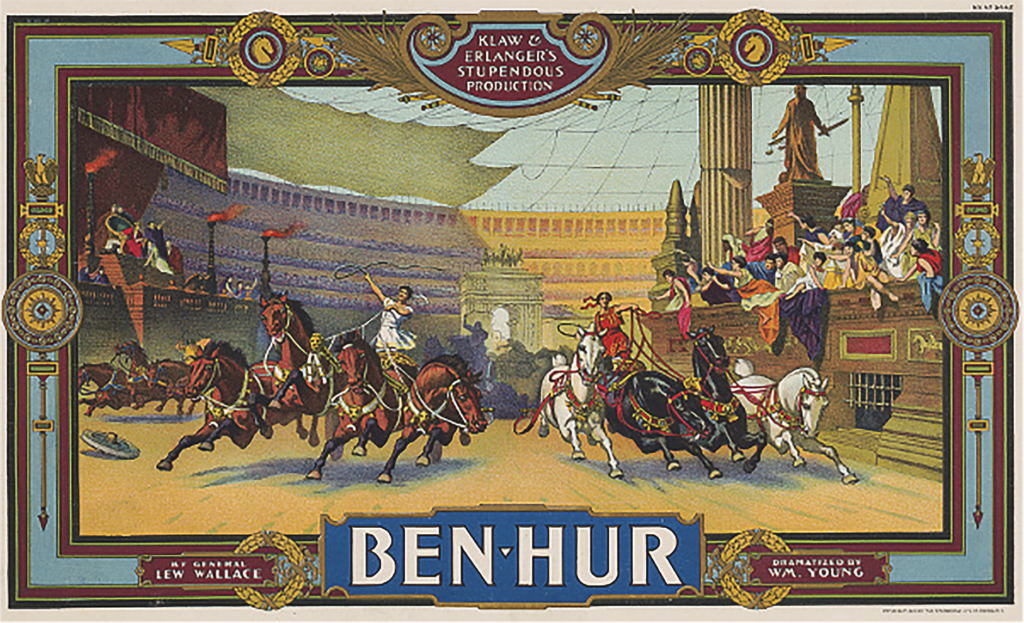
The Landers was built during an era when touring productions moved from city to city by rail, carrying scenery, costumes, musicians, performers, animals, and technical equipment with them.

Springfield’s location as a railroad hub made it an important stop, and The Landers’ large stage allowed it to accommodate productions that many regional theatres could not.

Among the entertainers, musicians, speakers, and touring attractions associated with The Landers were some of the most recognizable names of the early twentieth century.

Distance and Division

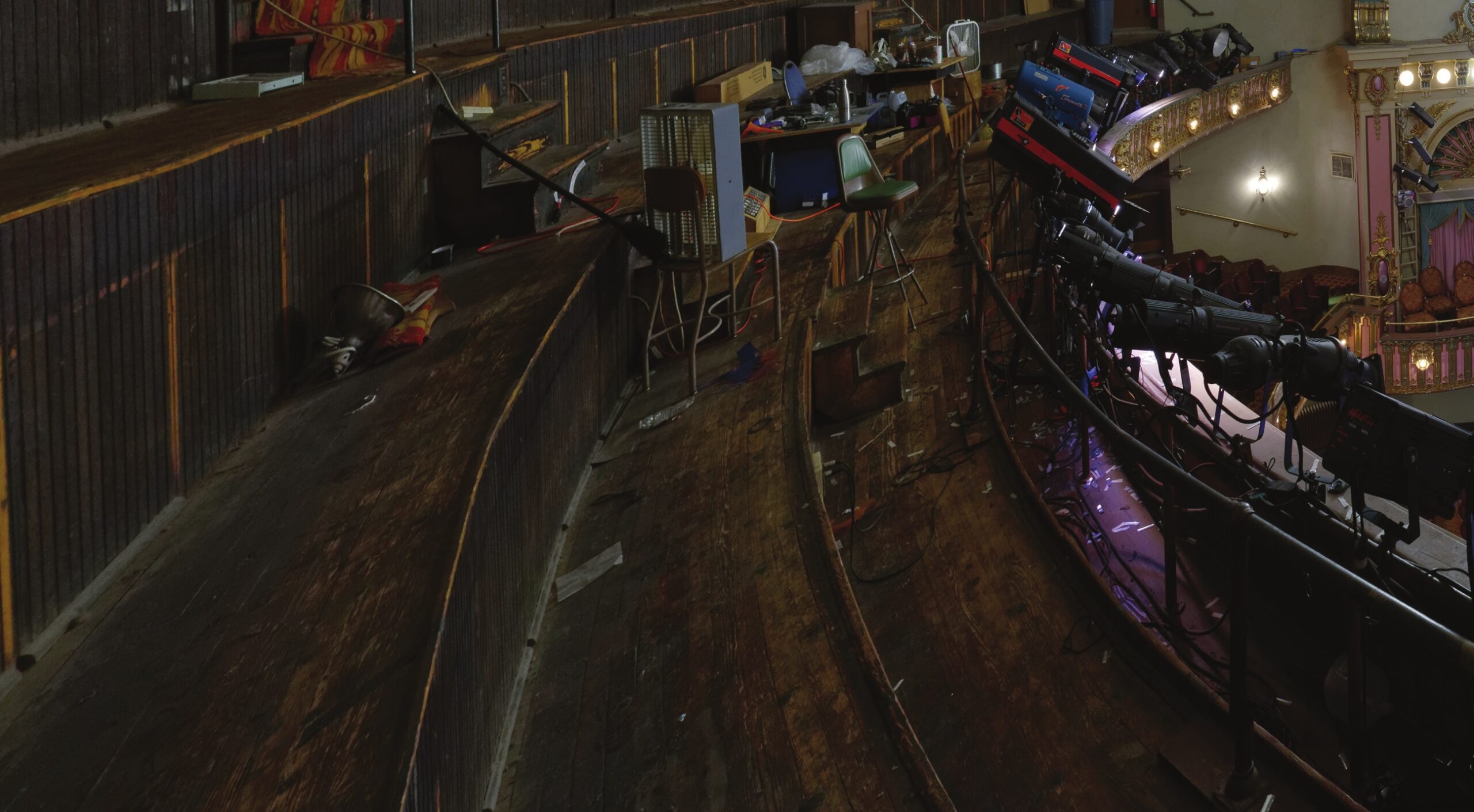
The history of The Landers also reflects the inequalities of the community and country in which it was built. When the theatre opened in 1909, it was the only Springfield theatre to admit Black patrons. But admission did not mean equal access.

The building was designed for segregation. Black patrons entered through a separate alley entrance, purchased tickets separately, climbed three flights of stairs, and sat on wooden benches in the upper gallery. They were physically separated from white patrons in the orchestra and first balcony.

The entertainment presented onstage and screen also reflected the racial prejudices of its era. In 1915, THE BIRTH OF A NATION, now widely recognized for its racist portrayal of African Americans and glorification of the Ku Klux Klan, played The Landers despite protests from Black Springfield residents. More than 7,000 patrons attended its six performances.

The Landers remained part of a segregated entertainment culture for decades. By 1960, Fox Midwest management stated that its downtown theatres had quietly ended segregated seating.

Ten years later, Springfield Little Theatre purchased the building and began a new chapter in its history as a community theatre. The building’s complete history—including the stories that are difficult to tell—is part of the responsibility of preserving it.

Fire, Rebuilding and The Landers-Orpheum

The Landers itself was born from the aftermath of a theatre fire. A little more than a decade later, fire threatened it too.

On December 18, 1920, a fire began in the basement and spread into the dressing rooms and stage area. The entire Springfield Fire Department responded.

Flames eventually engulfed the stage, but the theatre’s fireproof proscenium wall and asbestos curtain prevented them from reaching the auditorium. Damage totaled approximately $60,200. Douglas Landers announced almost immediately that the theatre would be rebuilt.

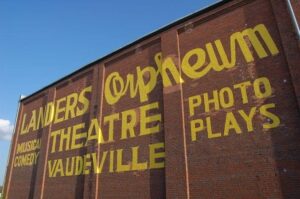
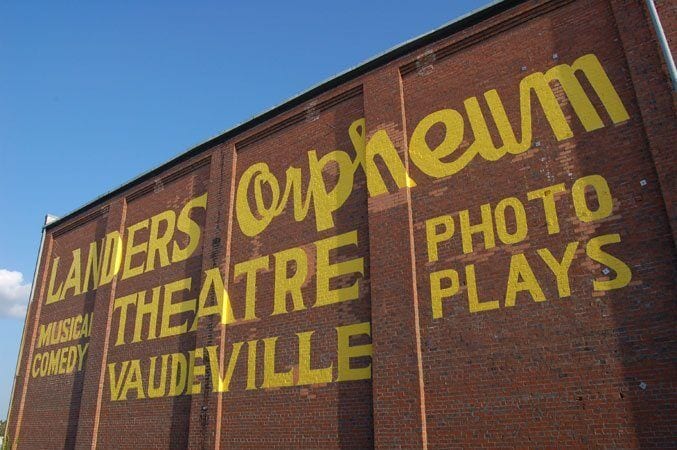
The reconstructed theatre formally reopened in 1921 with a remodeled interior and a new name: The Landers-Orpheum.

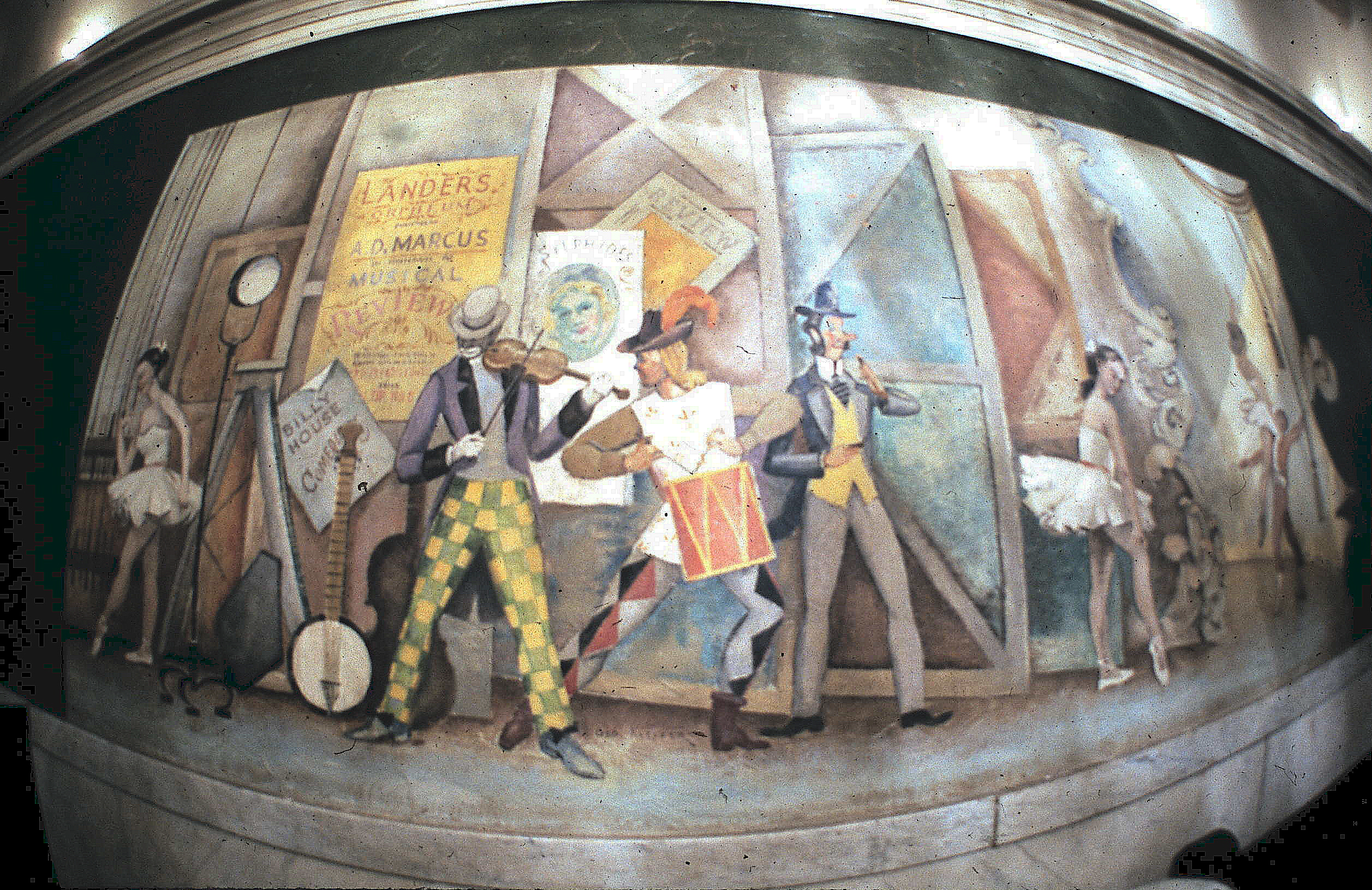
Vaudeville had already begun appearing at The Landers before the fire, but under manager Ensley Barbour, the rebuilt theatre embraced a broader mixture of entertainment—legitimate theatre, vaudeville, variety acts, films, and shortened musical productions.

Radio, Movies and Talkies

By the 1920s, entertainment was changing quickly. Vaudeville increasingly shared the bill with motion pictures, while new technologies were transforming what audiences expected from a night at the theatre.

For a brief period in 1927, portable radio station WIBM broadcast from The Landers. Its programming featured local musicians, singers, storytellers, orchestras, and other performers.

Then came sound.

In the summer of 1928, The Landers temporarily closed while a Vitaphone sound-film system was installed. It became the first Springfield theatre to introduce talking pictures. The public response was immediate, and continuous film screenings followed.

Live stage performances gradually disappeared as movies took over.

By the 1940s, The Landers was part of the Fox-Midwest theatre chain. Over the following decades it presented first-run films, art-house offerings, midnight movies, and eventually second-run features. In its later movie years, it became known as the Landers 400, reflecting its reduced seating capacity.

Country in Color: FIVE-STAR JUBILEE

jubileeBy the late 1950s, Springfield had become an important center for nationally broadcast country music.
Programs including OZARK JUBILEE, later known as COUNTRY MUSIC JUBILEE and JUBILEE U.S.A., brought major country stars to national television from Springfield.

In 1959, Earl Barton Music purchased The Landers as local producers looked for a new home for televised country music programming.

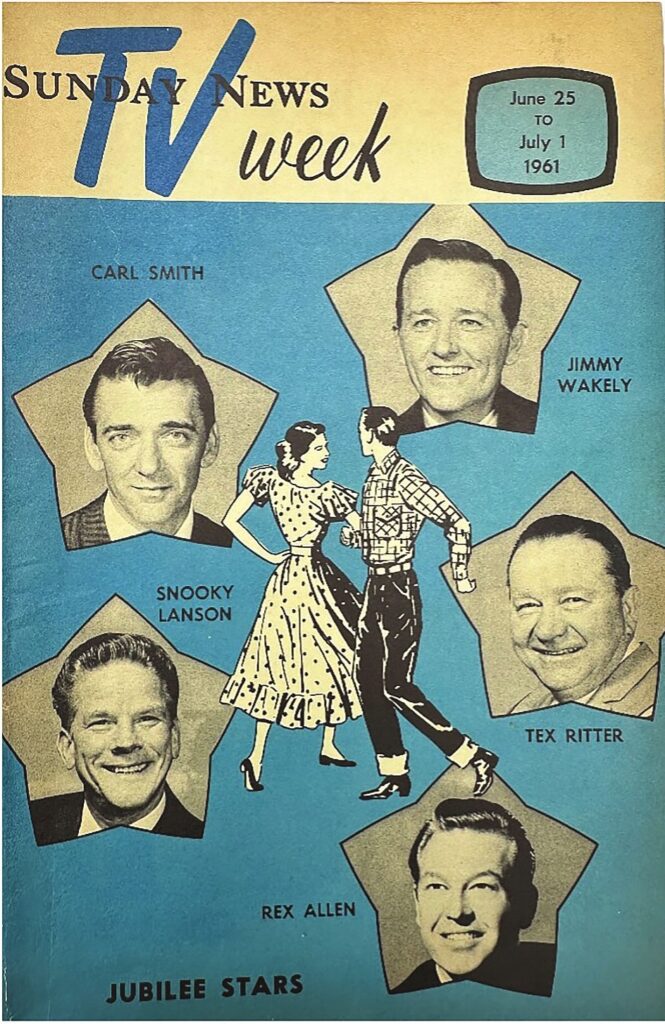
Two years later, FIVE-STAR JUBILEE began broadcasting from The Landers.

The NBC program ran for 28 episodes and featured five rotating hosts: Carl Smith, Snooky Lanson, Tex Ritter, Rex Allen, and Jimmy Wakely.

FIVE-STAR JUBILEE became the first network color television series produced outside New York City or Los Angeles.

Producing national color television from downtown Springfield was not without complications. Radio-frequency interference from nearby KTTS disrupted the first color taping. To solve the problem, later episodes were taped after midnight, once the radio station had gone off the air. The audience still came.

The television era at The Landers was brief, but for one remarkable summer, the theatre helped send Springfield music into homes across the country.

Springfield Little Theatre Comes Home

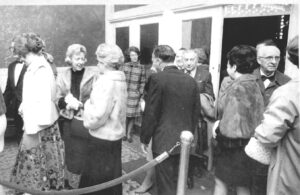
Springfield Little Theatre’s Opening Night at The Landers — 1970

By the late 1960s, Springfield Little Theatre had spent more than three decades performing wherever it could find a stage. Audience growth and increasingly ambitious productions had made the need for a permanent home impossible to ignore.

At the same time, Fox Midwest was constructing a new movie theatre at Battlefield Mall. Springfield Little Theatre leaders suspected that one of the company’s downtown properties might soon become available. They were right.

After months of conversations, negotiations, letters, competing plans, and uncertainty, the news finally became public in June 1970: LANDERS SOLD; LITTLE THEATRE BUYS A HOME. Springfield Little Theatre purchased The Landers for $100,000, the same price for which it had been built in 1909. Then the work began.

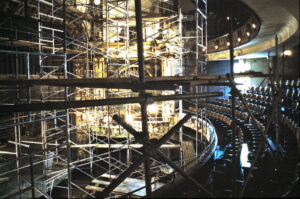
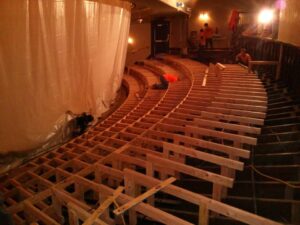
The theatre had suffered through years of neglect. Seats were damaged, carpet was worn, walls had been repeatedly altered, and backstage and basement spaces required extensive work.

Springfield Little Theatre launched a community fundraising effort and began restoring the building almost immediately. Contractors, staff, volunteers, businesses, banks, and individual donors helped prepare the theatre for reopening.

And when Springfield Little Theatre finally raised the curtain in its new home, it chose the same play with which the organization itself had begun in 1934: THE IMPORTANCE OF BEING EARNEST.

Preservation and Stewardship

In 1977, The Landers was placed on the National Register of Historic Places, formally recognizing its architectural and historical significance.

Since purchasing the theatre, Springfield Little Theatre has continually invested in preservation, accessibility, safety, technology, and the practical needs of an active performance venue.

Sets are built. Costumes move through hallways. Performers wait in the wings. Audiences climb the stairs. Lights are focused. Scenery flies. And with each production, a historic building continues to serve the purpose for which it was constructed.

Details Worth Discovering

More than a century of use has left traces throughout The Landers. Some are obvious. Others hide in plain sight.

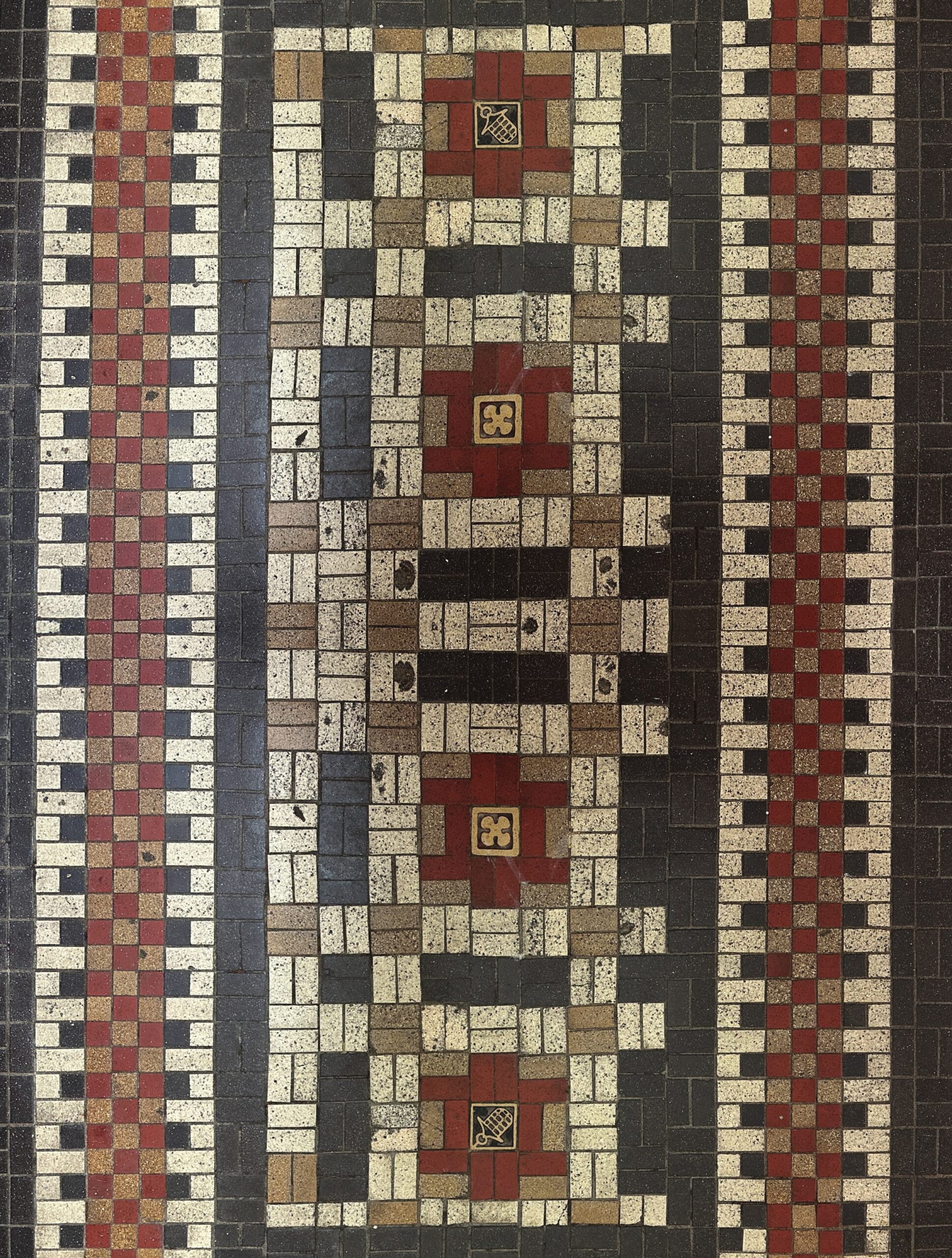
The Original Tile

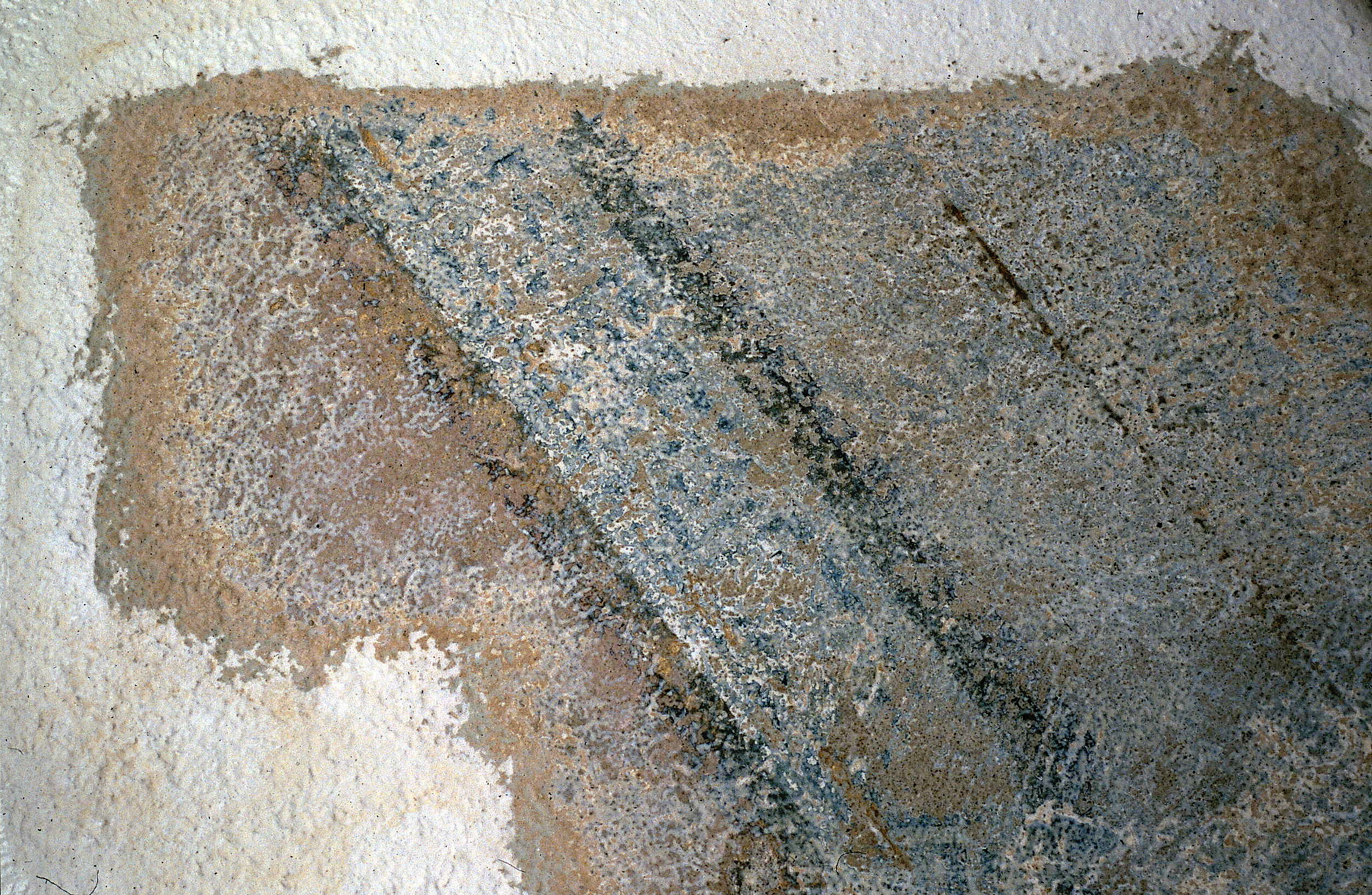
Original 1909 tile still lines the landings and upper hallways of The Landers. For many years, the second, third, and fourth floors housed businesses and apartments. Today those spaces serve as Springfield Little Theatreoffices and rehearsal space.
The Original Tile

“Everywhere you look there’s a story. Every seat has a story.”
— Beth Domann

The Landers Today

More than a century after opening night, The Landers remains what it was built to be: a working theatre. Audiences still gather beneath its dome. Performers still wait in the wings. Scenery still moves through its stage door. Volunteers, technicians, musicians, artists, and audiences continue to fill its rooms.

Since 1970, Springfield Little Theatre has served as steward of this remarkable building—preserving its history while continuing to add to it.

The Landers has witnessed changing technologies, changing audiences, changing entertainment, fire, restoration, decline, renewal, and more performances than anyone standing beneath its proscenium in 1909 could have imagined. And the curtain still rises.

There Is Much More to the Story

This page offers only a glimpse into more than a century of history held within The Landers Theatre.

For the complete story, explore THE LANDERS: BIOGRAPHY OF A THEATER by Kara DeBacker.

Published in 2024, the book traces the history of The Landers through extensive archival research, historic photographs, newspaper accounts, architectural records, correspondence, personal recollections, and stories of the people who built, performed in, preserved, and loved the theatre.

Purchase Today

Its research reaches far beyond the familiar milestones, uncovering details about The Landers’ builders, architecture, touring productions, vaudeville years, movie era, television history, Springfield Little Theatre stewardship, restoration work, and the people whose lives intersected with the building.

About the Research

Much of the historical information presented on this page is drawn from THE LANDERS: BIOGRAPHY OF A THEATER by Kara DeBacker, published by Pearson Creek Publishing in 2024.

DeBacker’s work represents years of research using original newspapers, archival records, photographs, architectural documents, correspondence, Springfield Little Theatre materials, public records, and personal interviews. The book contains significantly more history, imagery, documentation, and individual stories than can be represented here.

Springfield Little Theatre is grateful to Kara DeBacker for preserving and documenting the remarkable history of The Landers and for making that research available to future generations.

To discover the full story, purchase your copy of THE LANDERS: BIOGRAPHY OF A THEATER.

Ticket sales cover only 44% of our costs.

Your support keeps the curtain rising.

Donate